Therapeutic Plasma Exchange for Alzheimer’s Disease
The AMBAR trial demonstrated that plasma exchange with albumin replacement slowed cognitive and functional decline by 52–71% in mild-to-moderate Alzheimer’s disease. The trial’s author list includes our Medical Director, Dr. Dobri Kiprov.
What Happens in Alzheimer’s Disease
Alzheimer’s disease is characterized by the progressive accumulation of two abnormal proteins in the brain: amyloid-β plaques and neurofibrillary tangles composed of hyperphosphorylated tau protein. These deposits damage neurons, disrupt synaptic communication, and trigger chronic neuroinflammation that accelerates tissue destruction.
The brain does not exist in isolation. Amyloid-β and other toxic proteins circulate in the blood as well as the brain, and the two compartments maintain constant equilibrium across the blood-brain barrier. When plasma concentrations of amyloid-β are elevated, the brain’s capacity to clear its own toxic load is diminished. This is the peripheral sink hypothesis — by reducing amyloid-β levels in the blood, a concentration gradient is created that facilitates amyloid clearance from the brain.
Beyond amyloid, Alzheimer’s patients carry elevated levels of inflammatory cytokines (IL-6, TNF-α, IL-1β), oxidized lipids, complement proteins, and other factors that sustain neuroinflammation. These compounds cross the blood-brain barrier and amplify neuronal damage. Standard drug treatments do not address this plasma-borne inflammatory burden.
Therapeutic plasma exchange removes the full spectrum of these harmful circulating factors in a single procedure — amyloid-β, inflammatory cytokines, oxidized proteins, autoantibodies, complement — and replaces them with 5% albumin, which itself binds and neutralizes amyloid-β and has potent anti-inflammatory and antioxidant properties.
The AMBAR Trial — Landmark Evidence
AMBAR (Alzheimer’s Management By Albumin Replacement) was a Phase 2b/3, multicenter, randomized, double-blind, placebo-controlled trial. It randomized 347 patients with mild-to-moderate Alzheimer’s disease across 41 sites in Spain and the United States (322 in the modified intent-to-treat analysis). Patients received therapeutic plasma exchange with albumin replacement over 14 months, with cognitive and functional outcomes assessed using validated clinical scales.
Less Functional Decline
Slowing of functional decline measured by the ADCS-ADL scale (p = .03).
Less Cognitive Decline
Slowing of cognitive decline measured by the ADAS-Cog scale (p = .06, trend).
Less Dementia Decline
Slowing of clinical dementia progression measured by CDR-SB (p = .002).
Less Global Decline
Slowing of global clinical decline measured by ADCS-CGIC (p < .0001).
Patients in the mild Alzheimer’s subgroup responded on the global clinical assessments in a striking way: rather than simply declining more slowly, they improved above their baseline — effect sizes of roughly 157–200% on the CDR-SB and ADCS-CGIC scales, statistically significant versus placebo. On the two co-primary cognitive scales there was little measurable change in either the treated or placebo groups, as the placebo group itself barely declined over the 14 months, leaving little decline to slow — a pattern the trialists attribute to those scales being less sensitive in higher-functioning patients. This underscores the importance of early intervention — the less neurodegeneration that has occurred at the time of treatment, the greater the potential for meaningful benefit.
The AMBAR trial’s author list includes Dr. Dobri Kiprov — one of the physicians who established modern therapeutic apheresis and Medical Director of Global Apheresis. This firsthand involvement in the research informs the treatment protocols our practice applies.
Boada M, López OL, Olazarán J, et al. Alzheimer’s & Dementia. 2020;16(10):1412–1425.
Real-World Validation
In 2025, an independent research group in Argentina published results from a real-world cohort study of Alzheimer’s patients treated with therapeutic plasma exchange. The study compared 32 patients receiving TPE with albumin replacement against 194 matched controls followed over multiple years.
Less Cognitive Decline
Less cognitive decline as measured by MMSE scores (p < .001).
Less Immediate Memory Decline
Less decline in immediate memory function (p < .001).
Less Delayed Memory Decline
Less decline in delayed memory recall (p = .04).
The significance of this study lies in its independence. The AMBAR trial was a sponsored, controlled clinical trial — the gold standard for evidence, but always stronger when reproduced by unaffiliated investigators. The Argentina cohort confirms the clinical signal in a real-world setting with different investigators, a different patient population, and no industry funding. Reproducibility across trials and geographies substantially strengthens the evidence base for TPE in Alzheimer’s disease.
Taragano F, Seinhart D, Epstein P, et al. Journal of Alzheimer’s Disease. 2025;108(1):129–141.
How TPE Compares to Other Alzheimer’s Treatments
| Treatment | Mechanism | Key Evidence | Administration | ARIA Risk | Stage Targeted |
|---|---|---|---|---|---|
| Therapeutic Plasma Exchange (TPE) | Removes amyloid-β, tau, inflammatory cytokines, complement, oxidized proteins; replaces with 5% albumin | AMBAR: 52–71% slowing of decline (Phase 2b/3, n=322); Argentina cohort: 45–88% slowing (n=32 vs 194 controls) | Outpatient infusion, ~2–3 hours per session | ~0.9% (AMBAR), all asymptomatic | Mild-to-moderate |
| Lecanemab (Leqembi) | Anti-amyloid monoclonal antibody targeting soluble protofibrils | 27% slowing of decline on CDR-SB (Phase 3, n=1,795) | Biweekly IV infusion; requires regular MRI monitoring | ~12.6% ARIA-E (edema), ~17% ARIA-H (microbleeds) | Early Alzheimer’s with confirmed amyloid |
| Donanemab (Kisunla) | Anti-amyloid monoclonal antibody targeting deposited amyloid plaques | 35% slowing of decline on iADRS (Phase 3, n=1,736) | Monthly IV infusion; requires regular MRI monitoring | ~24% ARIA-E, ~31% ARIA-H | Early symptomatic with confirmed amyloid and tau |
| Standard Symptomatic Therapies | Cholinesterase inhibitors (donepezil, rivastigmine) and NMDA antagonists (memantine) | Modest symptom improvement; no disease modification demonstrated | Daily oral medication | None | All stages (symptomatic only) |
The fundamental difference between TPE and monoclonal antibody therapies is scope. Lecanemab and donanemab target amyloid exclusively, leaving inflammatory cytokines, oxidized proteins, complement, and other neurotoxic factors untouched. TPE removes the full circulating burden and replaces it with albumin, which itself binds amyloid-β and exerts anti-inflammatory effects. TPE has also not been shown to cause ARIA — the brain swelling and microbleeds seen in 12–40% of patients on monoclonal antibody therapy. In AMBAR the only imaging abnormalities were rare (~0.9%) and asymptomatic, and albumin-based plasma exchange has no established mechanism for causing ARIA, so it does not require the ongoing MRI surveillance those antibody treatments demand.
What Treatment Looks Like
Who Is a Candidate
Patients with mild-to-moderate Alzheimer’s disease who are motivated, have reliable caregiver support, are in good general health, and have adequate vascular access. Our physicians evaluate each patient individually to determine whether TPE is appropriate given their specific clinical picture.
Intensive Treatment (Weeks 1–6)
The initial phase typically consists of weekly therapeutic plasma exchange sessions with full plasma volume exchange and 5% albumin replacement. Each session takes approximately 2–3 hours in our outpatient facility. For patients traveling from outside the Bay Area, sessions can be compressed into a shorter timeframe. Your physician will tailor the schedule during your consultation.
Maintenance Treatment (Monthly)
Following the intensive phase, patients transition to monthly lower-volume exchanges designed to sustain the benefits achieved during the initial treatment period. The AMBAR trial maintained treatment for 12 months, and our protocols follow this evidence-based timeline.
Assessment & Adjustment
Regular clinical assessments with cognitive testing at baseline and defined intervals throughout treatment. Our physicians adjust protocols based on each patient’s response, ensuring the treatment plan evolves with the patient’s needs.
Frequently Asked Questions
The AMBAR protocol involves an intensive phase of weekly therapeutic plasma exchange sessions over approximately six weeks, followed by monthly maintenance sessions. Our physicians individualize the protocol based on disease stage, treatment response, and patient goals. Most patients continue maintenance sessions for at least 12 months, as this was the duration shown to sustain benefit in the AMBAR trial.
TPE has been shown to significantly slow cognitive and functional decline, and for most patients the goal is stabilization rather than reversal. In the AMBAR trial, patients with mild Alzheimer’s actually improved above their baseline on the global clinical assessments (CDR-SB and ADCS-CGIC) rather than simply declining more slowly, while the two co-primary cognitive scales showed little change in either the treated or placebo groups over the 14 months. Earlier intervention generally correlates with better outcomes. Our physicians discuss realistic expectations with each patient and their family before beginning treatment.
Therapeutic plasma exchange for Alzheimer’s disease is classified as ASFA Category III, meaning it is an accepted treatment with emerging evidence but not yet established as first-line therapy. We are a cash-pay practice and are out of network with all insurance carriers, including Medicare and Medicaid. Some patients pursue out-of-network reimbursement, and our administrative staff can provide the clinical documentation needed to support a reimbursement claim.
The strongest candidates are patients with mild-to-moderate Alzheimer’s disease who are motivated, have reliable caregiver support, and are in generally good health. Patients should have adequate vascular access for the procedure. Our physicians evaluate each patient individually to determine candidacy, taking into account disease stage, medical history, current medications, and overall treatment goals.
The evidence for plasma exchange in Alzheimer’s disease — from the AMBAR trial through the real-world outpatient experience that has followed — is reviewed in depth by Dr. Bhupendra Khatri. It appears in the theme issue of Transfusion and Apheresis Science guest-edited by our own Dr. Dobri Kiprov and Dr. Allen Green.
Therapeutic plasma exchange in Alzheimer’s disease: From clinical trial to real-world evidence
Khatri BO. Transfus Apher Sci. 2026;65(4):104481.
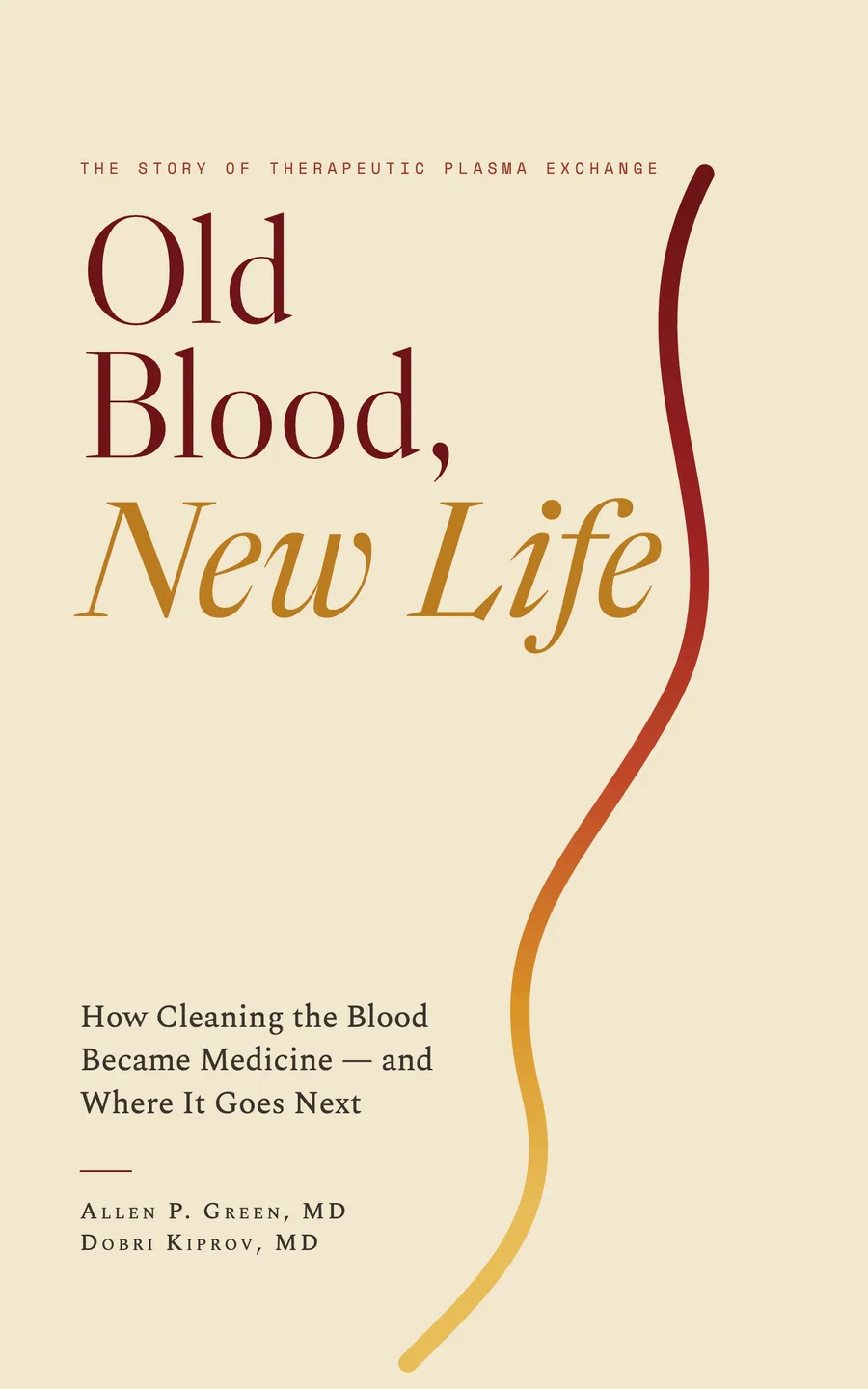
Old Blood, New Life
How Cleaning the Blood Became Medicine — and Where It Goes Next
Two chapters of our book are given over to Alzheimer’s: what AMBAR actually measured, why its subgroup results provoked such disagreement, and what the trials now recruiting are designed to settle. It is the fullest account of this evidence we have written anywhere.
By Dr. Allen Green and Dr. Dobri Kiprov of Global Apheresis. Paperback, $18.99.
Explore Your Options
Schedule a complimentary discovery call with our physicians to discuss the clinical evidence, treatment protocols, and whether therapeutic plasma exchange may be appropriate for your situation.
Book a Free Discovery Call